About Glycine Hydrochloride
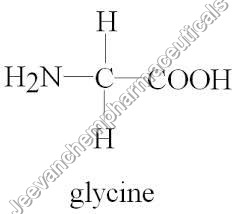
Found primarily in gelatin and silk fibroin, it is used therapeutically as a nutrient. We have earned our name as a renowned organization engaged in offering Glycine Hydrochloride. It is anon-essential amino acid, found in gelatin & silk fibroin. This substance is ideal for treating schizophrenia, sleep problems, benign prostatic hyperplasia (BPH), and metabolic syndrome. It acts as inhibitory neurotransmitter in spinal cord, allosteric regulator of NMDA receptors. This substance can be used as a component of Ag (silver)-stripping buffer for multiplex immunohistochemistry in mice tissues. Glycine Hydrochloride shows highest concentrations in the spinal cord as compared to elsewhere in the brain.
Product Details:
|
CAS Number
|
6000-43-7
|
|
Color
|
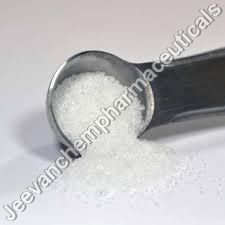
White colorless powder
|
|
Grade Standard
|
Technical Grade, Analytical Grade
|
|
Molecular Weight (Gram)
|
111.53
|
|
Physical State
|
Powder
|
|
Solubility (Gram/Mol)
|
Completely soluble in water
|
|
Usage
|
Industrial, Laboratory
|
Exceptional Purity for Laboratory PrecisionWith a purity of 99.9%, Glycine Hydrochloride meets the stringent requirements of laboratory and reagent-grade chemicals. This quality ensures reproducible results in biochemical assays and accurate buffer preparations. Its consistent properties make it a preferred choice for research professionals and academic institutions.
Versatile Applications in Biochemical ResearchGlycine Hydrochloride is widely utilized in preparing buffer solutions and facilitating biochemical reactions. Its high solubility in water and stable pH profile make it suitable for a range of experimental setups in molecular biology, protein chemistry, and analytical research.
Safe Handling and Long Shelf LifeThe product is not classified as hazardous and does not require special safety measures beyond standard laboratory practices. It should be stored in a cool, dry place to maintain its quality over a three-year shelf life. Packaged in durable plastic bottles, Glycine Hydrochloride remains stable and convenient for frequent laboratory use.
FAQs of Glycine Hydrochloride:
Q: How should Glycine Hydrochloride be stored for maximum shelf life?
A: Glycine Hydrochloride should be stored in a cool, dry place inside its original plastic bottle. This helps maintain its purity and stability, ensuring a shelf life of up to three years.
Q: What is Glycine Hydrochloride commonly used for in laboratories?
A: This compound is primarily used in biochemical research, especially in the preparation of buffer solutions for molecular biology and analytical chemistry experiments.
Q: When should Glycine Hydrochloride be used in experiments?
A: Glycine Hydrochloride is ideal for use whenever a stable, slightly acidic buffer is required, or when conducting research that demands high-purity reagents for reproducible results.
Q: Where is Glycine Hydrochloride manufactured and exported from?
A: This product is manufactured, supplied, and exported from India, serving global laboratory and research markets.
Q: What is the process for preparing a buffer solution with Glycine Hydrochloride?
A: To prepare a buffer, dissolve the desired amount of Glycine Hydrochloride powder in distilled water, adjusting the concentration as needed for your application. Its high solubility ensures a homogeneous solution.
Q: What are the benefits of using high-purity Glycine Hydrochloride in research?
A: Using 99.9% pure Glycine Hydrochloride minimizes experimental variability and contamination, yielding more accurate and reliable scientific data.
Q: Is Glycine Hydrochloride safe for laboratory use?
A: Yes, Glycine Hydrochloride is not classified as hazardous and does not require special handling, aside from standard laboratory precautions.
 Send Inquiry




 Send Inquiry

 Send Inquiry

